
Dove Hunting
Managed sunflower and millet fields, steady flight lines, and the social hunt that kicks off our whole season.
Book a Dove HuntThe Season Starts Here
Dove season runs early September through late October — the kickoff for our hunting year. Managed sunflower and millet fields draw mourning doves in steady flight lines, and the shooting stays honest from opening bell to sundown.
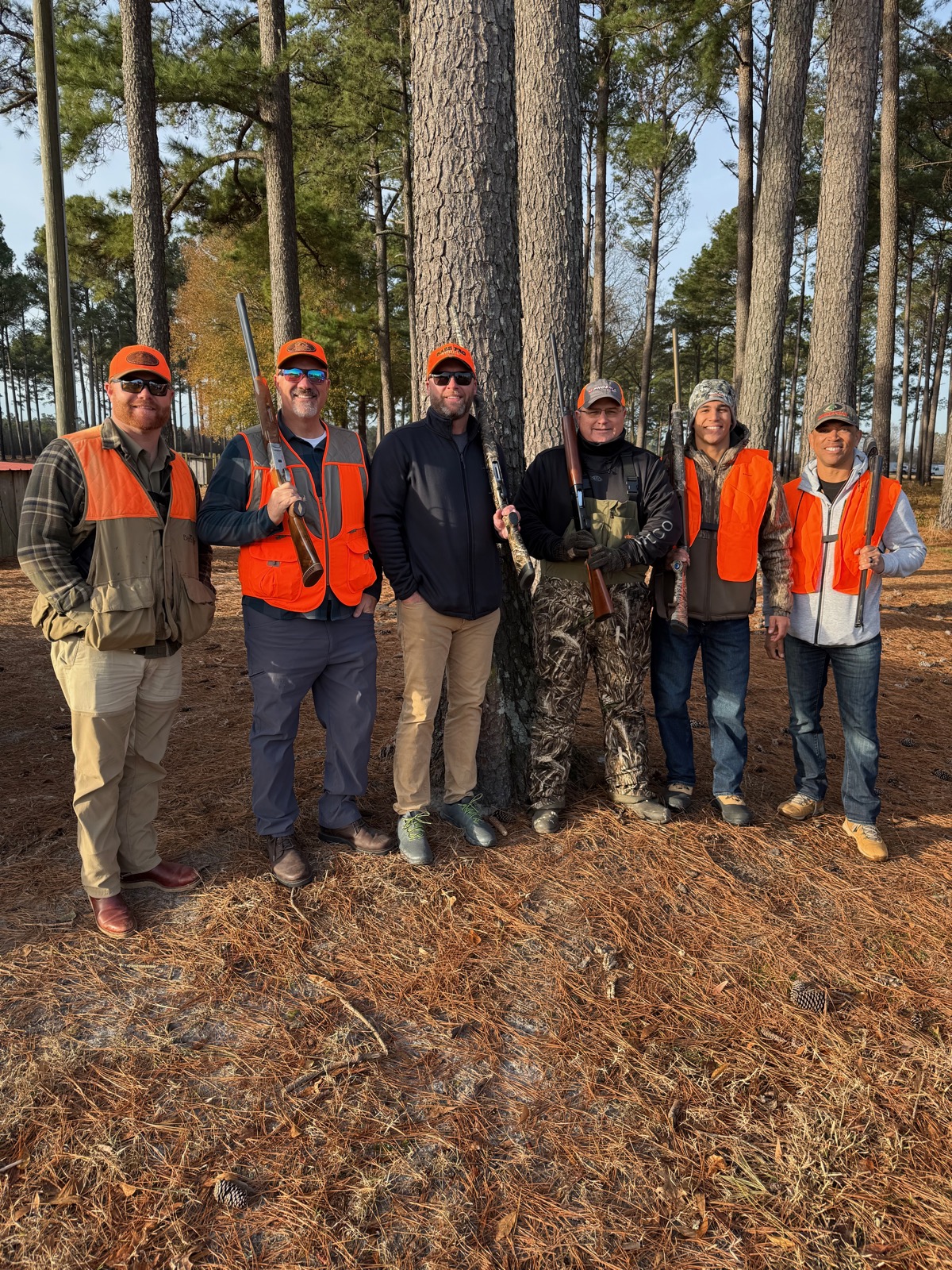
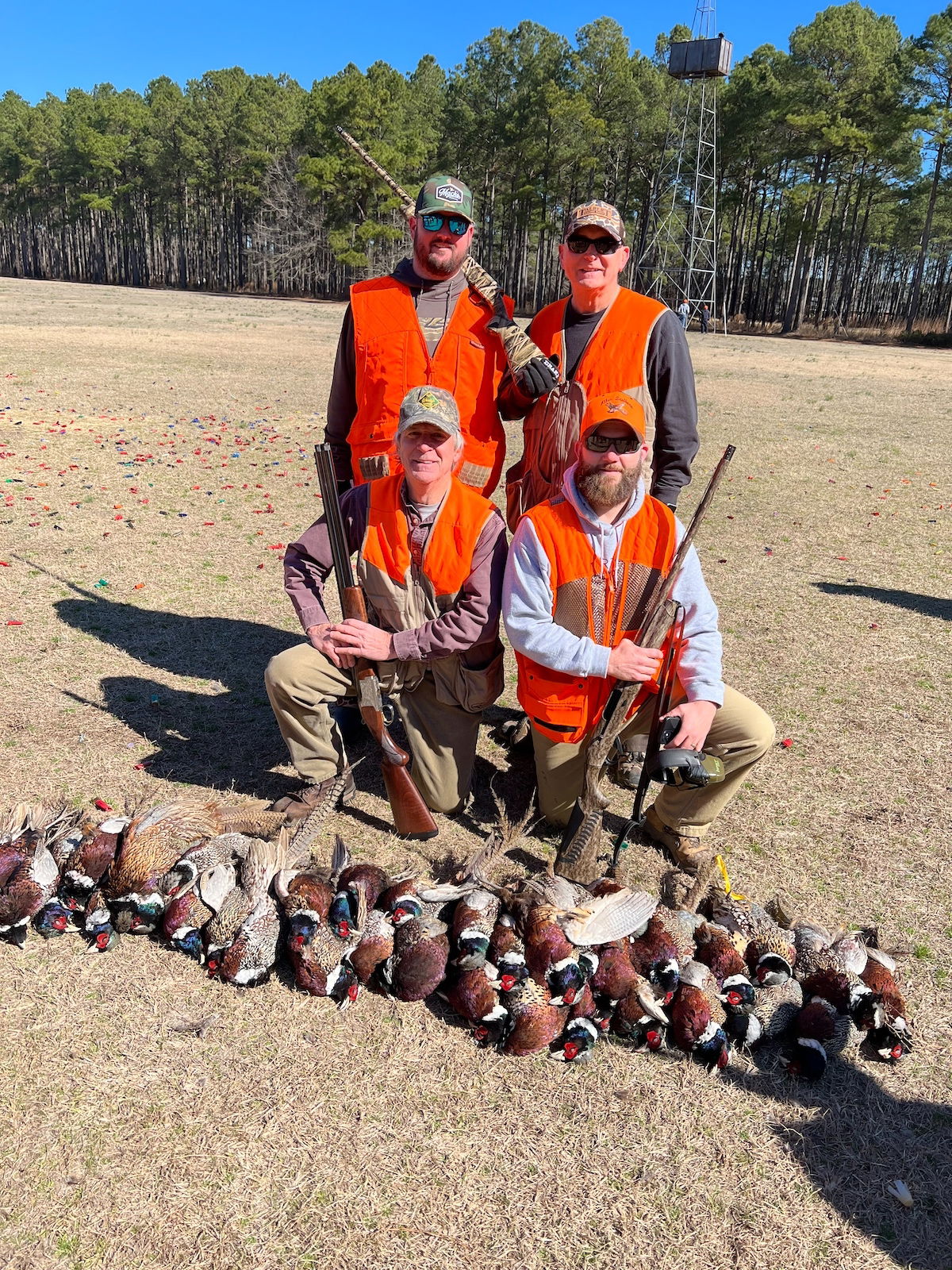
Dove hunting here is a social hunt. Bring a group, take an afternoon in the field, then head back to the lodge for dinner and a fire pit.
What to Expect:
- Managed dove fields with excellent flight lines
- Afternoon hunts during prime flight times
- Perfect for groups and corporate outings
Reading a Dove Field
Dove hunting looks simple — stand in a field, shoot at birds — but a few basics make the difference between a slow afternoon and a full strap.
Find the Flight Line
Doves work the same routes over and over — between a roost, water, and feed. Our guides know where those lines cross the field before your group ever sets up.
Set Up Low and Still
A stool along a tree line or fencerow, tucked into a little cover, beats standing in the open every time. Doves have sharp eyes for anything moving against the sky.
Mind the Wind
Doves generally land and feed into the wind. A field position that puts incoming birds crossing in front of you — not straight overhead — gives you a far easier shot.
Lead Generously
A dove's erratic, darting flight fools more hunters than any other game bird. Pick a bird, swing through it, and don't stop your gun at the shot.
An improved-cylinder or modified choke with 7½ or 8 shot handles the vast majority of dove-field shots — you're rarely reaching out past 30–35 yards.
The Mourning Dove
The mourning dove earns its name from that soft, low call — more melancholy than mournful, if you ask most hunters who've grown up around it. It's also the most heavily hunted game bird in North America by a wide margin, and there's a simple reason wing shooters keep coming back to it: nothing else in the field flies quite like one.
A dove in the open can hit speeds approaching 55 miles an hour, and it changes direction on a dime — a genuinely erratic, darting flight pattern that's earned the bird a reputation as one of the toughest targets in wing shooting, pound for pound. That combination of speed and unpredictability is exactly why a good dove shoot humbles even experienced shotgunners.
Populations stay healthy despite the hunting pressure because doves breed prolifically — multiple broods a season, sometimes five or six clutches between spring and fall. Our managed sunflower and millet fields aren't just bait; they're exactly the open, seed-heavy ground doves already prefer, which is what turns a good field into a field with real flight lines.
~55
mph top speed
#1
most-hunted game bird in North America
5–6
broods possible per season
~4 oz
average adult weight
Opening Day: A Southern Ritual
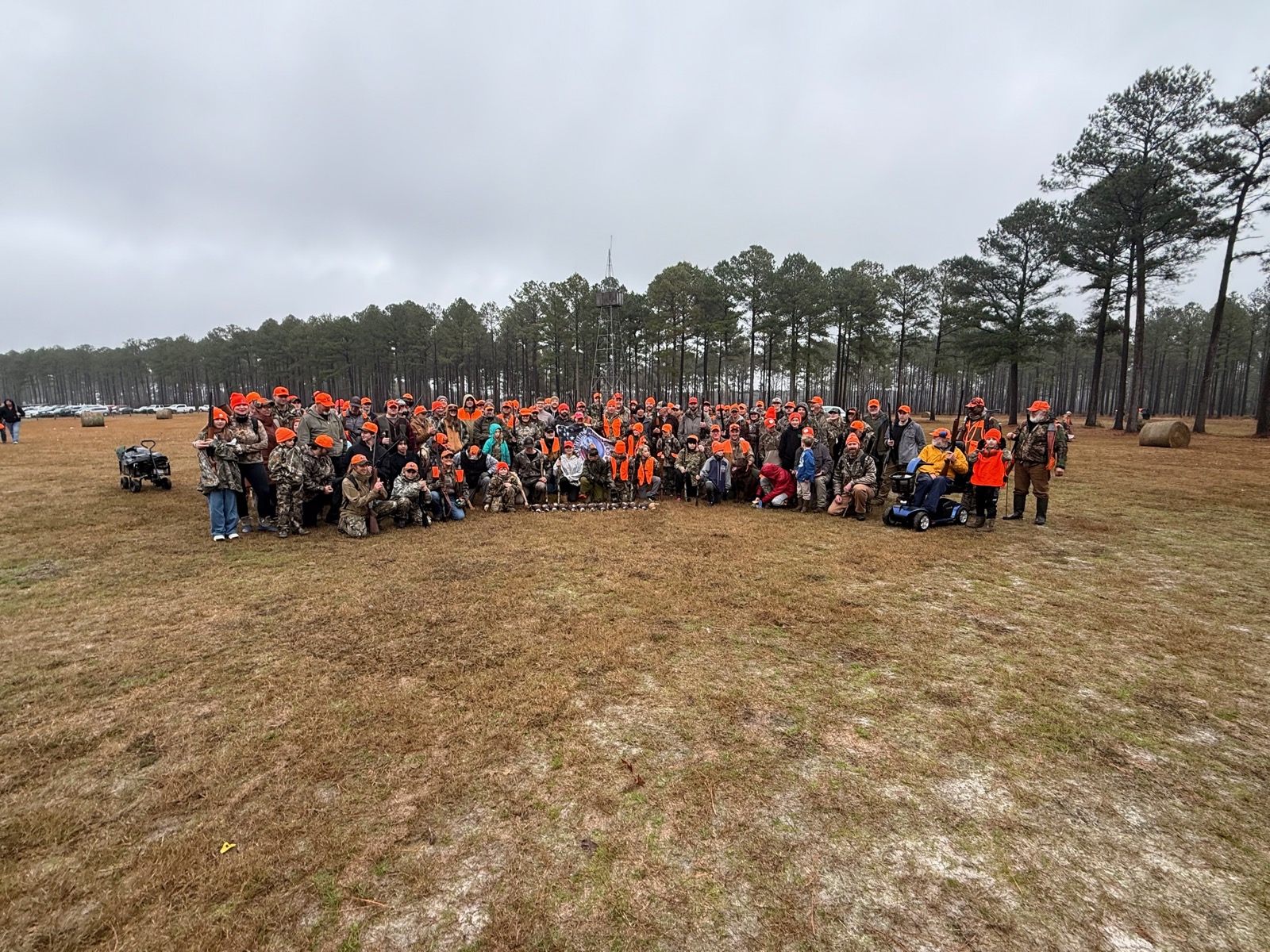
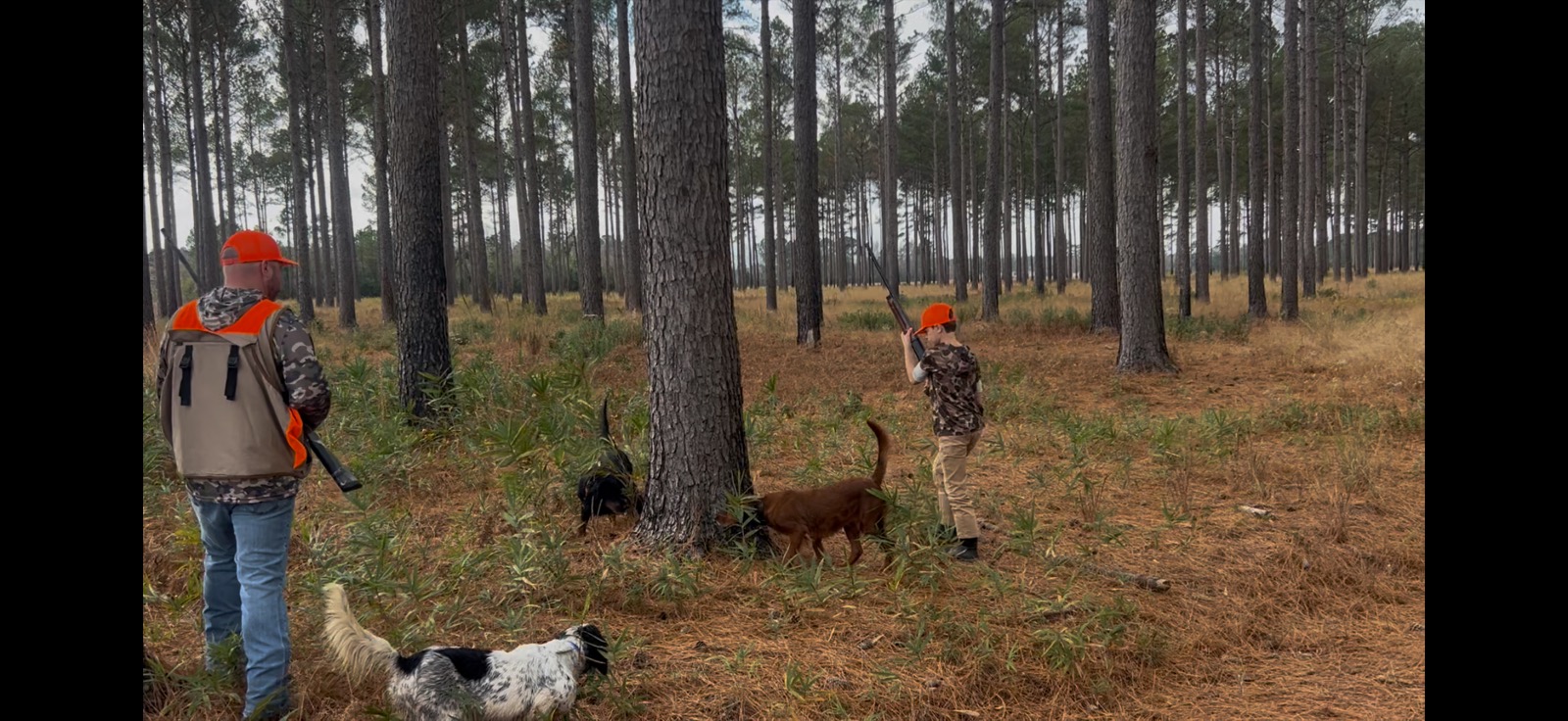
Dove season opening day carries a different energy than any other hunt on the calendar — it's part hunt, part cookout, part family reunion. Bring the kids for their first afternoon in the field, bring a group of buddies who haven't seen each other since last season, or bring the whole office. Either way, the field's just the first half of the day — the second half happens back at the lodge, plates full, fire going, everybody comparing notes on the ones that got away.
The Social Side of Opening Day
Friends, family, and the crew — dove season is as much about who you bring as what you bring home

Looking for a Different Hunt?
Ready to Book Your Dove Hunt?
Give us a call or send a message — we'll talk through dates, group size, and get you on the field list.