
Quail Hunting
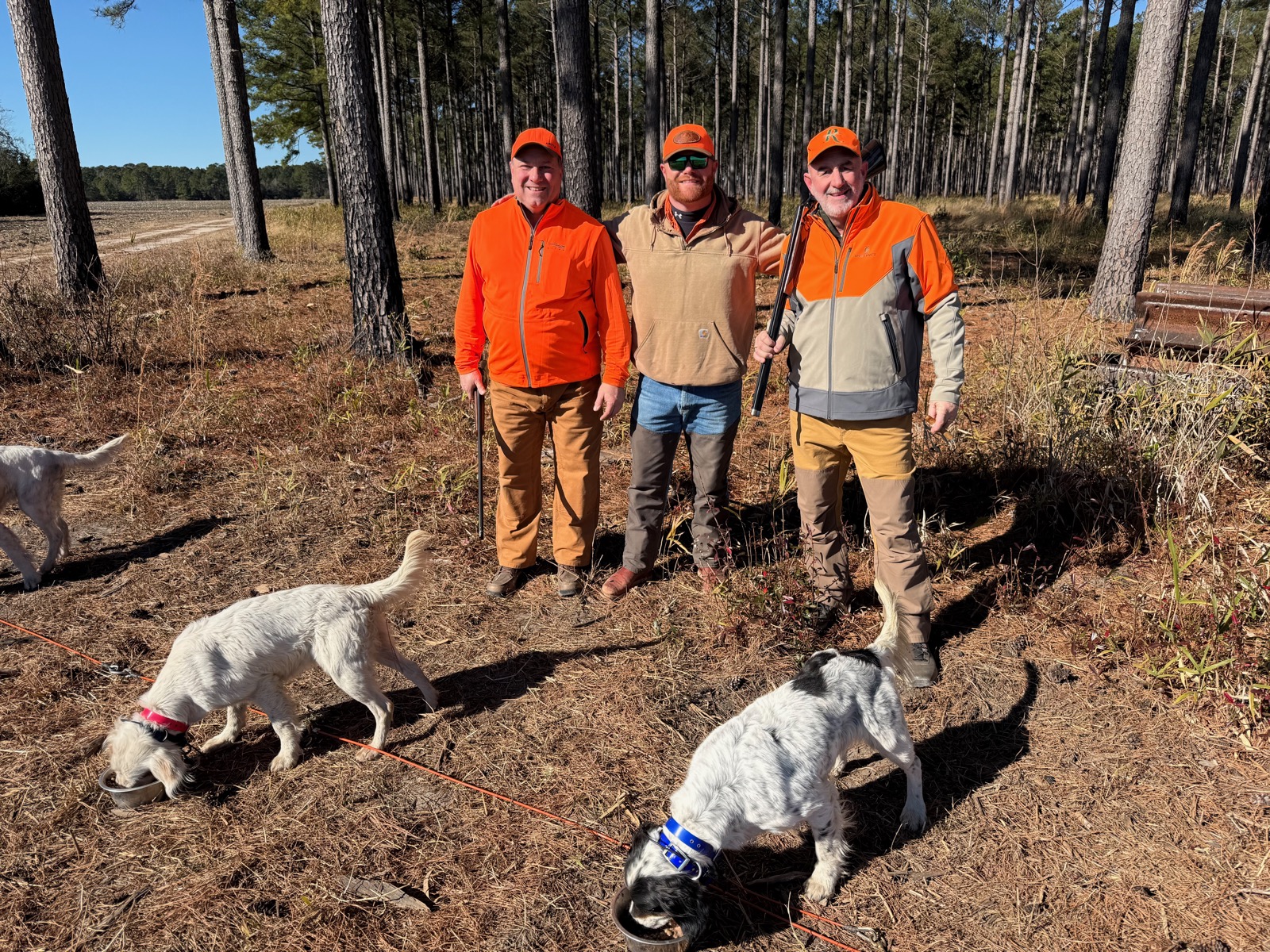
Where it all began for Allen Brothers — bobwhites, broomstraw, and bird dogs working pine edges the way they always have.
Book a Quail Hunt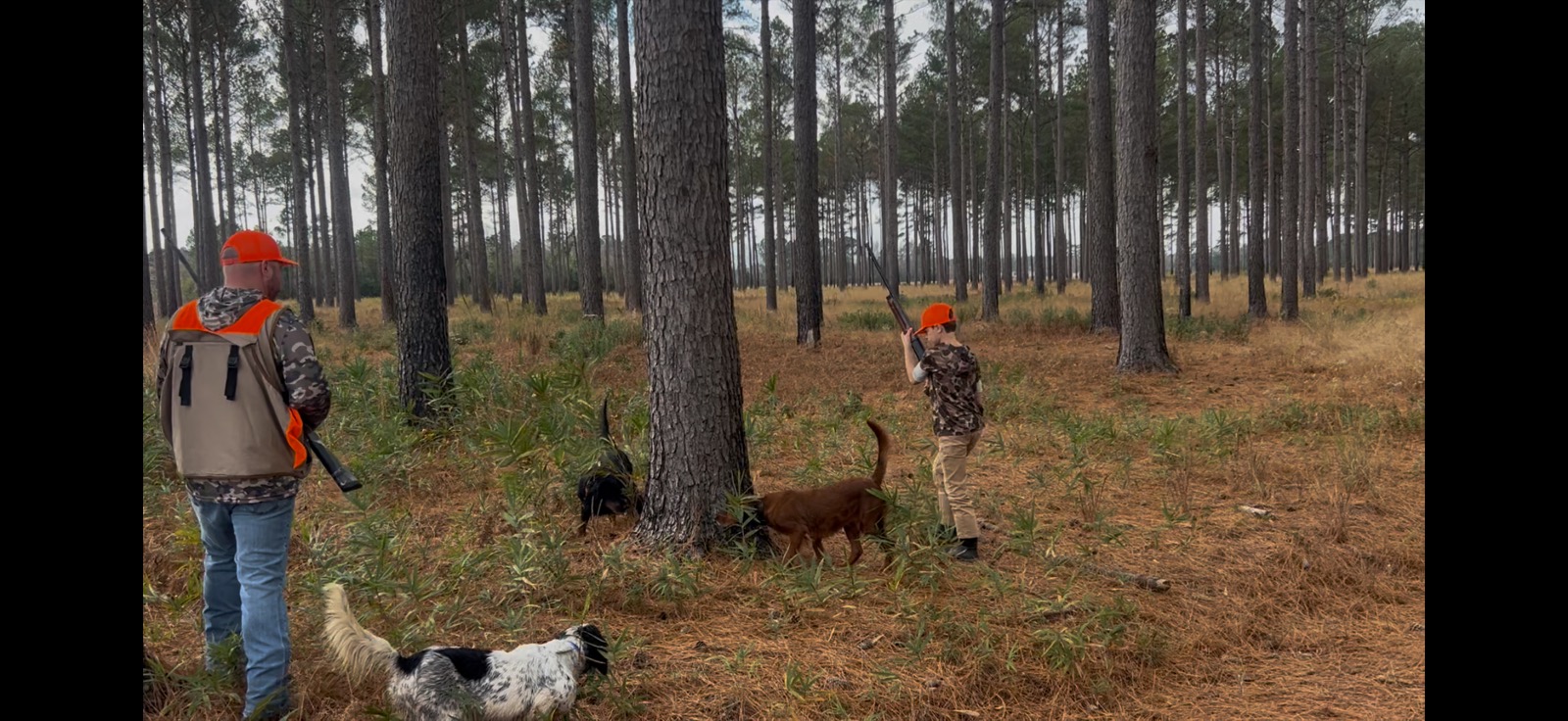
A Hunt Two Decades in the Making
This is where it all began for Allen Brothers. Traditional Southern-style quail hunting through carefully managed habitat — broomstraw, soft cover, and the kind of pine edges bobwhites favor. Two decades of dedicated management have gone into these grounds.
Hunt behind our trained bird dogs as they work the fields and put up the coveys. Whether it's your first quail hunt or your hundredth, our guides know the property, know the birds, and know when to push and when to hold back.
Hunt Details:
Season
November - March
Group Size
1-6 Hunters
Duration
Half or Full Day
Dogs Provided
Yes
Hunting Behind Bird Dogs
Quail hunting moves at the dog's pace, not yours — here's what a walk-up hunt actually looks like.
Dogs Range Out
Our pointing dogs — mostly English pointers and setters — quarter ahead of the group, covering the broomstraw and pine edges for birds.
A Dog Locks Up
When a dog scents a covey, it freezes on point — nose toward the birds, tail up. A second dog backing that point holds just as still, honoring the find.
Walking In
Hunters walk up on either side of the point, guns ready. The guide moves in front to flush — that's the moment everything's been building to.
Covey Rise, Then Singles
A whole covey breaks at once — a genuine adrenaline jolt the first time you see it. Singles scatter into nearby cover, and the dogs go right back to work finding them.
A good day covers real ground — expect to walk, and expect the dogs to do most of the finding. That's the trade you make for a genuinely wild-feeling hunt.
The Northern Bobwhite
The bobwhite gets its name from its own call — that clear, whistled "bob-WHITE" carrying across a field on a still morning is the bird announcing itself. It's the only native quail species east of the Mississippi, and for generations it was simply "the quail" across the rural South.
Bobwhites live in coveys — tight family groups that roost in a circle, tails out, for warmth and an early warning system against predators. A healthy covey needs a very specific kind of ground: native warm-season grasses like broomstraw for nesting, bare dirt underneath for moving around easily, and brushy pine edges close by to duck into when a hawk shows up.
That habitat has gotten scarce. Across most of the wild South, fire suppression and changing land use let hardwood thickets choke out the open pine understory bobwhites need, and wild numbers have fallen hard since the mid-1900s. Places that still manage ground specifically for quail — burning on a rotation, keeping the understory open — are increasingly where the tradition survives at all.
8–20
birds per covey
~6 oz
average adult weight
Native
only quail east of the Mississippi
2000
year we started managing for them
A Uniquely Southern Tradition
Quail hunting behind pointing dogs is Southern in a way few other hunts are — a slower, walking pace built for conversation between flushes, a deep respect for the dog work, and a hospitality that goes back to the old plantation-era hunts of the Red Hills region straddling Georgia and Florida. It's also literally where Allen Brothers comes from: Ronald and Joe Allen started out running a small quail operation in Bladenboro back in 2000, and everything else on this property grew from there.
Out on a Quail Hunt
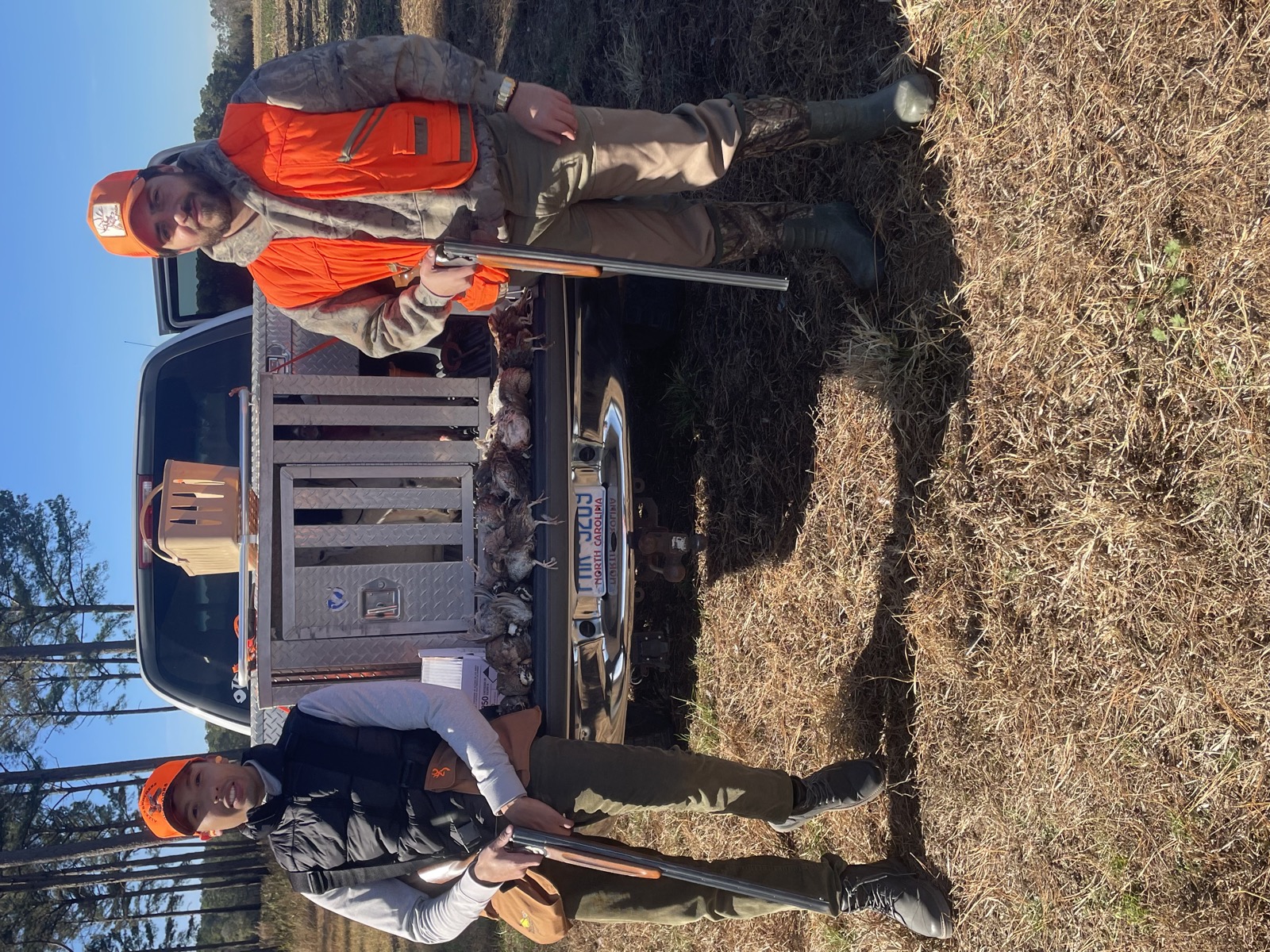
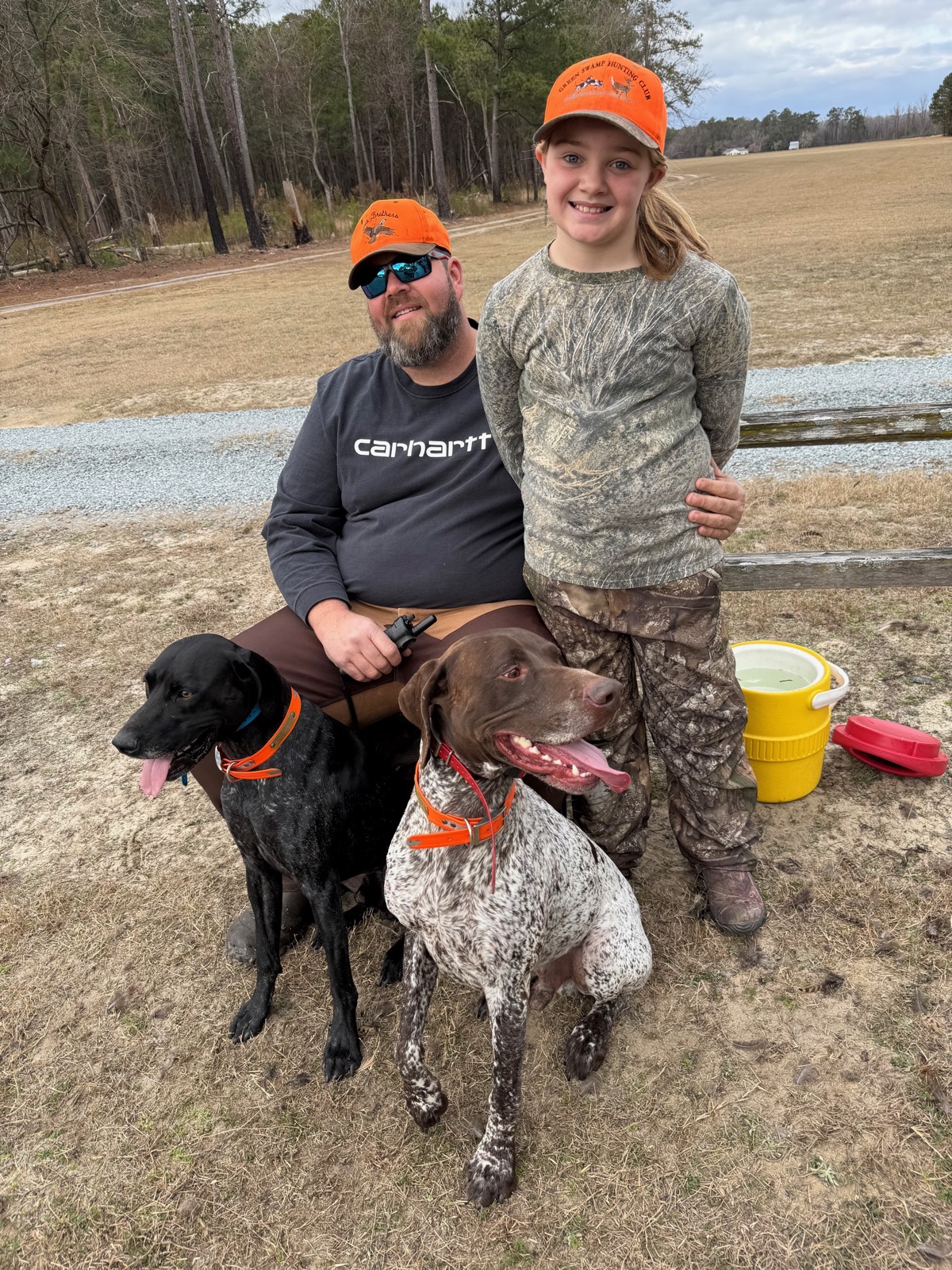
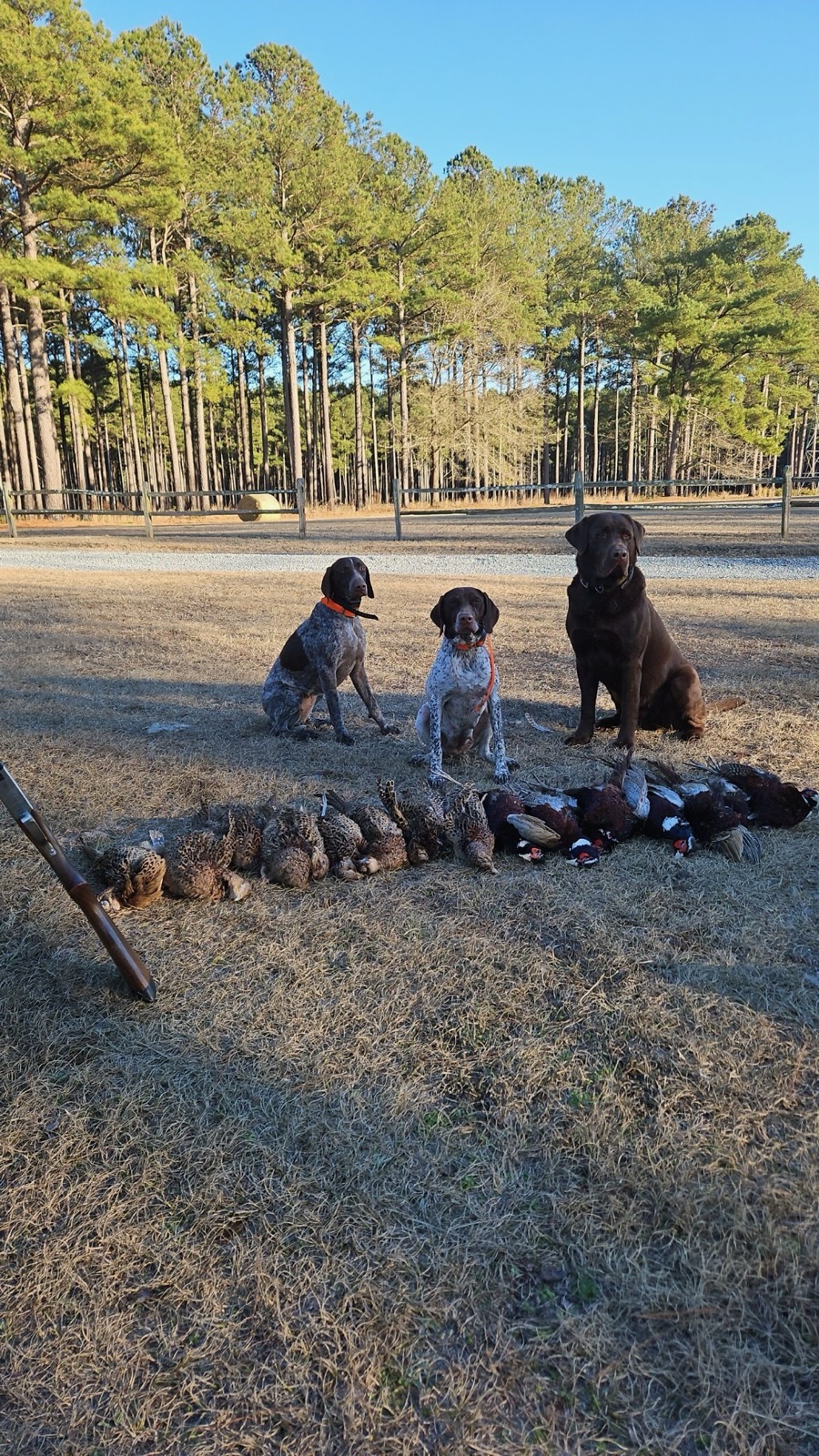
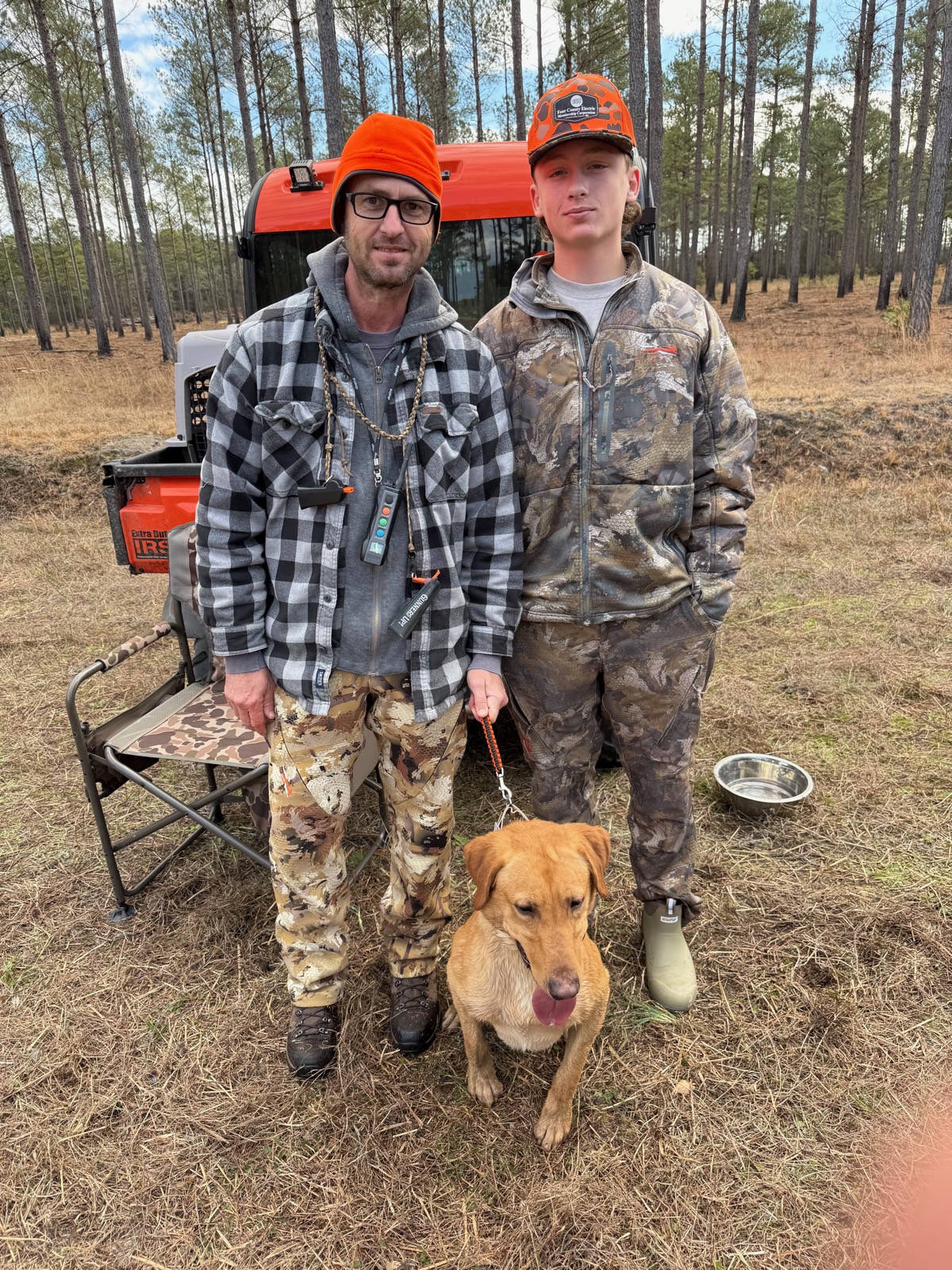
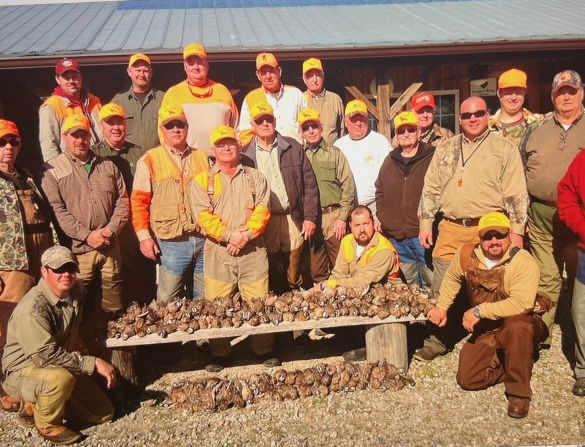
Dogs on point, coveys on the rise, and the tradition that started it all
Looking for a Different Hunt?
Ready to Book Your Quail Hunt?
Give us a call or send a message — we'll talk through dates, group size, and what kind of hunt fits.